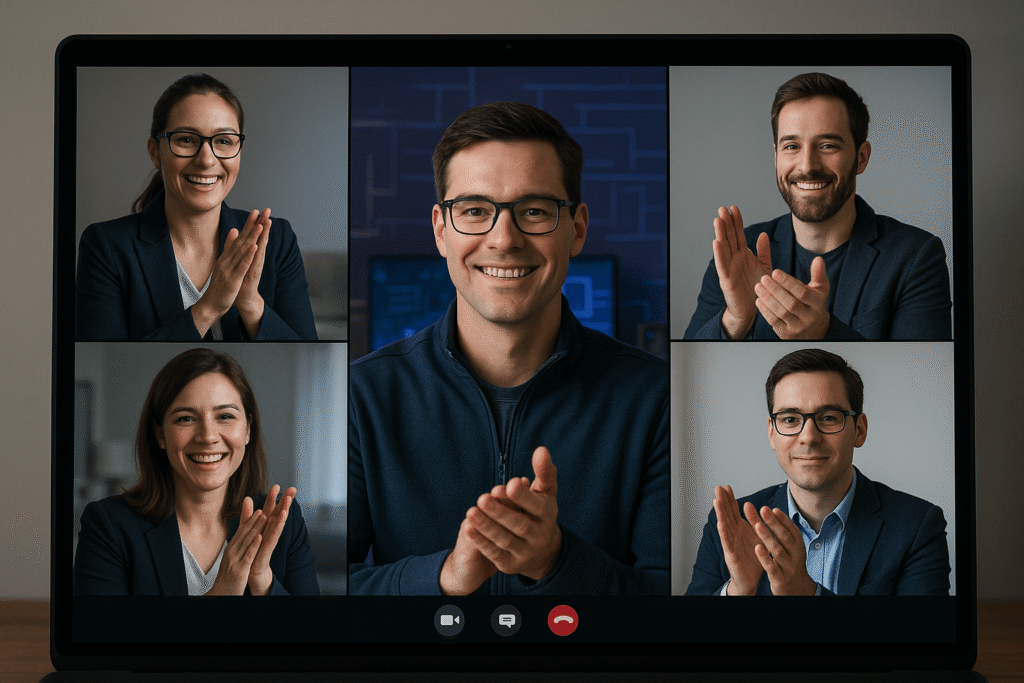
Building Emotional Connection in the Offshore Developers Team

Building an offshore development team is no longer just about cost savings and access to global talent. Companies that focus only on hiring skilled developers often face low engagement, weak collaboration, and high turnover.
The missing element is emotional connection.
In offshore developer teams, emotional connection directly impacts productivity, retention, and long-term performance. When developers feel aligned with the team’s goals, included in decision-making, and connected to the product, they contribute more, communicate better, and stay longer.
This article explains why emotional connection is critical in offshore teams and how companies can build strong, engaged, and high-performing distributed development teams.
Why Emotional Connection Matters in Offshore Tech Teams
Building an offshore software development team is no longer just about reducing costs or accessing global talent. While these factors still matter, they are no longer enough to ensure long-term success. Today, companies that build high-performing distributed teams focus not only on technical excellence, but also on emotional intelligence and human factors such as trust, engagement, and communication.
Emotional Connection as a Performance Driver
Emotional connection in offshore software developer teams plays a direct role in how teams perform on a daily basis. When developers feel connected to the team, the product, and the broader mission, they naturally take more ownership, communicate more openly, and contribute beyond their assigned tasks. This connection creates a sense of responsibility and pride in the work, which is difficult to achieve through processes alone. Without it, even highly skilled engineers may disengage, limiting both innovation and overall productivity.
The Hidden Risk in Offshore Teams
Offshore developers are particularly vulnerable to feeling disconnected due to the nature of distributed work. Time zone differences reduce real-time interaction, cultural nuances can create subtle misunderstandings, and limited informal communication makes it harder to build relationships. As a result, developers may feel like external contributors rather than true team members. Over time, this can lead to lower engagement, reduced initiative, and higher turnover—issues that directly impact delivery speed and product quality.
The Unique Challenges of Building Connection Remotely
Building emotional connection in offshore development teams doesn’t fail because companies don’t care — it fails because the environment itself makes connection harder by default. Remote and distributed setups remove many of the natural moments where trust and relationships typically form, forcing teams to be far more intentional.
Time Zones Limit Natural Interaction
One of the biggest barriers is the lack of overlapping working hours. When teams operate across different time zones, communication becomes scheduled rather than spontaneous. Quick questions turn into delayed threads, and casual conversations rarely happen. Over time, this reduces the sense of team rhythm and makes collaboration feel fragmented rather than fluid.
Communication Becomes Transactional
In remote environments, communication often focuses only on tasks. Messages are short, direct, and goal-oriented, leaving little room for context, emotion, or personal connection. Without informal conversations or non-verbal cues, it becomes harder to build trust, understand tone, or create a sense of belonging within the team.
Cultural Differences Create Subtle Friction
Offshore teams often span multiple cultures, each with different expectations around communication, feedback, and hierarchy. What feels like clarity in one culture may come across as harshness in another, while silence may be interpreted as agreement when it actually signals hesitation. These small misalignments can accumulate and weaken trust if not actively managed.
Lack of Visibility Reduces Engagement
Remote developers often have limited visibility into how their work impacts the product or business. They may not be included in strategic discussions or product decisions, which makes their role feel narrower than it actually is. This “out of sight, out of mind” effect can lead to reduced ownership and lower emotional investment in the work.
Fewer Informal Moments to Build Trust
In co-located teams, connection is built through small, everyday interactions — quick chats before meetings, shared lunches, or casual jokes. Remote teams rarely have these moments unless they are intentionally created. Without them, relationships remain purely professional, which slows down trust-building.
The Risk of Feeling Like an Outsider
When offshore developers are treated as external resources rather than integrated team members, it reinforces a psychological distance. They may feel excluded from the core team, which directly affects motivation, initiative, and long-term commitment. This is one of the most common and most damaging challenges in offshore setups.
What Emotional Connection Actually Looks Like in Practice
Emotional connection in offshore developer teams is not a vague or abstract idea — it becomes visible through consistent behaviors, communication patterns, and the overall energy of the team. You can recognize it in how developers engage with their work, interact with each other, and respond to challenges.
Here’s what strong emotional connection looks like in practice:
Developers Take Real Ownership
Developers go beyond simply completing assigned tasks and focus on delivering meaningful outcomes that impact the product. They proactively suggest improvements, identify risks early, and contribute to technical and product decisions. There is a clear shift from “just doing the work” to genuinely caring about the success of the project.
Open and Honest Communication
In emotionally connected offshore teams, communication goes far beyond basic coordination. Team members feel safe expressing their opinions, asking questions, and raising concerns without fear of negative consequences, which creates a strong foundation of trust. Feedback flows continuously in both directions, not just from leadership but across the entire team, reinforcing transparency. Conversations are rich and meaningful, extending beyond status updates into deeper discussions about ideas, context, and improvements, allowing everyone to feel heard and valued.
High Level of Engagement in Team Activities
A strong emotional connection is reflected in how actively developers participate in team life. They contribute thoughtfully during meetings, planning sessions, and retrospectives, bringing their perspectives into discussions rather than staying passive. Their presence is genuine — they are responsive, attentive, and invested in outcomes. Initiative becomes a natural behavior, as developers feel ownership over their work and confidence in contributing beyond assigned tasks.
Strong Sense of Belonging
When an emotional connection is present, offshore developers no longer feel like external contributors but as integral members of the core team. They clearly understand the company’s mission, product direction, and how their work impacts the bigger picture. This shared understanding creates a unified identity within the team, even when members are distributed across different countries and time zones, strengthening alignment and long-term commitment.
Natural Collaboration Across Locations
Connected teams collaborate seamlessly, regardless of geography. Communication feels natural and fluid, without unnecessary formality or friction. Developers reach out to one another directly, work across roles, and solve problems together without hesitation. As a result, cross-location teamwork becomes efficient and aligned, with fewer silos and stronger integration between offshore and onshore team members.
Shared Wins and Accountability
Emotionally connected teams celebrate success together and take collective responsibility for challenges. Achievements are recognized as shared wins, reinforcing unity and motivation across the team. At the same time, when issues arise, the focus remains on solving problems collaboratively rather than assigning blame. This shared accountability strengthens trust, improves performance, and creates a healthier team dynamic.
Long-Term Commitment to the Team
When developers feel emotionally connected, they are naturally motivated to stay and grow within the team. Retention improves not because of external incentives alone, but because people feel valued, aligned with the mission, and connected to their colleagues. Over time, these relationships deepen, making the team more resilient, efficient, and cohesive, which is critical for long-term success in offshore development environments.
Proven Strategies to Build Emotional Connection
Emotional connection in offshore teams is not случайність — it is built intentionally through consistent actions embedded into daily workflows. The most successful teams treat connection as a core part of their operating model, ensuring that every interaction reinforces trust, alignment, and engagement.
Treat Offshore Developers as Core Team Members
The foundation of connection starts with positioning offshore developers as true members of the team rather than external executors. This means involving them in planning processes, giving them visibility into product decisions and business context, and ensuring they understand not just what needs to be done, but why it matters. When developers are treated as contributors to outcomes, their level of ownership and engagement increases significantly.
Create Consistent and Meaningful Communication
Strong connection requires a predictable and meaningful communication rhythm. Regular one-on-one conversations should focus not only on progress, but also on engagement, challenges, and professional growth. Team meetings should encourage open dialogue where every voice is heard, regardless of location. Over time, this consistency reduces uncertainty, builds trust, and creates a safe space for honest communication.
Build Human Connection Intentionally
Remote environments require deliberate effort to build relationships that would otherwise form naturally in an office setting. Creating space for informal interactions, such as casual check-ins or virtual coffee chats, helps team members connect on a personal level. Conversations that go beyond work allow people to understand each other better, which strengthens collaboration and empathy across the team.
Align Teams Around Purpose, Not Just Tasks
Developers are far more engaged when they understand the purpose behind their work. Clearly communicating the product vision and consistently reinforcing how individual contributions impact users or the business helps create a deeper sense of meaning. When developers see themselves as part of something larger than task execution, their motivation and emotional connection increase.
Foster Psychological Safety
A key driver of emotional connection is an environment where people feel safe to speak openly. Developers should feel comfortable sharing ideas, challenging decisions, and admitting mistakes without fear of negative reactions. Leaders play a critical role here by responding constructively to feedback and reinforcing that honesty and openness are valued more than perfection.
Recognize and Celebrate Contributions
Recognition is a powerful way to reinforce connection and engagement. Acknowledging both individual and team achievements helps developers feel seen and appreciated. When recognition is specific, timely, and tied to real impact, it strengthens motivation and encourages positive behaviors that contribute to team success.
Support Career Growth and Development
Long-term emotional connection is closely tied to professional growth. Developers need to see a clear path forward within the team, with opportunities to expand their skills and take on greater responsibility. When companies invest in their development and empower them to own larger initiatives, it signals long-term commitment, which significantly improves retention.
Bridge Cultural Differences Proactively
Offshore teams often span multiple cultures, which can either create friction or become a powerful advantage. By promoting awareness of different communication styles and encouraging mutual respect, teams can turn diversity into a strength. Instead of enforcing a single way of working, successful teams embrace these differences, using them to enhance creativity, collaboration, and overall team performance.
The Role of Leadership in Building Connection
Leadership Sets the Emotional Tone
In offshore development teams, emotional connection begins with leadership. The way leaders communicate, involve team members, and show up in everyday interactions defines whether developers feel included or distant. When leadership consistently demonstrates respect, openness, and genuine interest in the team, it creates an environment where trust can develop naturally.
Inclusion Drives a Sense of Belonging
Offshore developers often take cues from leadership to understand their role within the organization. When leaders actively include them in discussions, ask for their input, and acknowledge their contributions, it reinforces that they are a core part of the team. Without this inclusion, even strong engineers can feel like external contributors, which weakens engagement over time.
Consistency Builds Trust Over Time
Emotional connection is not built through isolated efforts but through consistent behavior. Regular check-ins, clear communication, and reliable follow-through create stability in a distributed environment. When leadership maintains a steady presence, even across time zones, it reduces uncertainty and helps developers feel more connected to the team.
Empathy Strengthens Relationships Across Cultures
Working with offshore teams means navigating different cultural norms, communication styles, and expectations. Leaders who take the time to understand these differences and adapt their approach build stronger, more resilient relationships. This kind of empathy helps prevent misunderstandings and creates a more inclusive team dynamic without compromising performance standards.
Openness to Feedback Encourages Engagement
The way leaders respond to feedback has a direct impact on team connection. When developers see that their opinions are heard and taken seriously, they become more engaged and willing to contribute. If feedback is ignored or dismissed, communication quickly becomes transactional, and emotional connection starts to erode.
Leadership Defines the Team’s True Structure
Ultimately, leadership determines whether an offshore team operates as a disconnected group of remote executors or as a cohesive, aligned unit. Leaders who prioritize connection create teams that collaborate more effectively, stay longer, and take real ownership of their work.
FAQs
Building emotional connection in offshore teams requires intentional effort. It starts with including developers in decision-making, maintaining consistent communication, and creating opportunities for real interaction beyond tasks. When developers understand the product, feel heard, and see their impact, connection develops naturally over time.
Emotional connection directly affects engagement, ownership, and retention. Developers who feel connected to the team and the mission are more proactive, communicate better, and stay longer. Without this connection, teams often become transactional, which leads to lower productivity and higher churn.
One of the most common mistakes is treating offshore developers as external resources rather than core team members. When developers are excluded from discussions and lack visibility into the bigger picture, they disengage. Strong teams are built when offshore developers are fully integrated into the company’s culture and processes.
TurnKey Staffing provides information for general guidance only and does not offer legal, tax, or accounting advice. We encourage you to consult with professional advisors before making any decision or taking any action that may affect your business or legal rights.
Tailor made solutions built around your needs
Get handpicked, hyper talented developers that are always a perfect fit.
Let’s talkPlease rate this article to help our team improve our content.
Here are recent articles about other exciting tech topics!